
During this phase, your plant’s energy transitions from vegetative growth to producing dense, resin-coated flowers—the buds you are anticipating. A delicate balance is recognized by most growers, and a keen eye is essential to determine when cannabis buds have achieved their optimal state. Waiting too long to harvest might cost you flavor and potency.
While it encompasses flowers (buds), stalks, and seeds, the highest concentration of cannabinoids and terpenes is found in hemp buds. If you’re looking for an affordable introduction to hemp, browsing or experimenting with hemp buds will suffice. Choose CBD buds if potency, effect, and clarity are important to you. High levels of cannabidiol (CBD), usually ranging from 12% to 20% CBD content, characterize CBD buds, which are specifically bred hemp flowers. With multiple strains, potencies, and terpene profiles available, these buds are federally legal due to the genetics employed.
- Potency is not solely determined by the size of the buds.
- Hemp flower looks and smells nearly identical to marijuana flower, but it won’t produce a significant high.
- Delta-9-tetrahydrocannabinol, commonly known as THC, is one of around 125 cannabinoids that have been derived from Cannabis sativa L., encompassing both cannabis and hemp varieties (although hemp has nearly undetectable THC levels).
Cannabigerolic acid is produced when olivetolic acid and geranyl pyrophosphate react, facilitated by an enzyme, which is then cyclized by THC acid synthase to form THCA. Based on one study, the terminal half-life of 11-Hydroxy-THC appears comparable to THC, ranging from 12 to 36 hours, contrasting with THC’s 25 to 36 hours. The initial half-life of dronabinol, according to the Food and Drug Administration, is noted to be 4 hours, while its terminal half-life extends from 25 to 36 hours. In a population pharmacokinetic study, THC was observed to have a rapid initial half-life of 6 minutes, coupled with a prolonged terminal half-life of 22 hours.
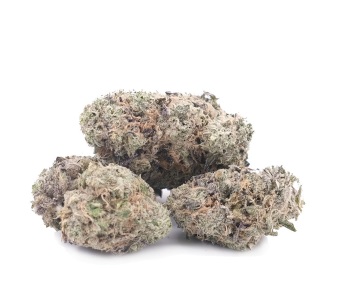
Due to various confounding factors, particularly concurrent tobacco use, the carcinogenicity of THC among populations identified as “heavy users” remains uncertain. Under the Controlled Substances Act, US federal law categorizes it as Schedule I due to “no accepted medical use” and “lack of accepted safety”. The WHO has suggested a change to the less strict Schedule III based on later studies. The biosynthesis pathway for THCA parallels that which produces humulone, the bitter acid found in hops.
CBD Hemp Flower by BudMother Dream Tonic.
If you’re ready to grow professional quality buds at home for as cheap and easy as possible, look no further than this ultimate guide to growing. The investment will pay you back over and over via increased yields and saved time/frustration. Developed by expert home growers and honed with hundreds of students since 2019, our course ensures you’ll achieve great results on your very next harvest. Or you can take the shortcut to consistently producing outstanding results by learning from real growers who have done all the work for you.
Wildberry Runtz from Robin Hood Seeds could benefit from an additional week for maximum potency. Peyote Gorilla from Seedsman is just within the harvest window but may improve with another week or two for optimal hub420 potency; Purple Critical Kush from Seedsman also falls within this window but might require another week for peak potency. Having cultivated it several times, I consistently find it offers delightful effects with good yields.
Week 4: Bud sites form
If you see no signs after 10 days, check your timer first. These are small calyx structures that emerge at the internodes during late vegetative growth, sometimes accompanied by a few white pistils. Throughout the entire growth phase, most autoflower growers keep lights on a schedule of 18/6 or 20/4; we typically use 18/6. Autoflowers initiate flowering based on age, usually 3 to 5 weeks post-germination, completely disregarding the light cycle.
Methods for smoking weed using a pipe.
Look out for cannabinoid potency, testing for pesticides, analyses for heavy metals, and microbial testing. Ensure you check your state’s specific regulations before making a purchase. THCA flower, when consumed raw or juiced, does not induce intoxicating effects, as THCA does not effectively interact with CB1 receptors. Heating THCA bud when smoking or vaping transforms it into delta-9 THC, generating psychoactive effects akin to those of dispensary THC bud of the same potency.
Some growers apply support during the flip phase for plants known to have a stretching tendency. The branches that managed this strain in week 1 are now supporting flowers three to five times heavier. Maintaining temperatures between 70 and 80°F (21 to 27°C) during mid-flowering facilitates a normal growth schedule, whereas cooler temperatures later can prolong ripening and enhance coloration in certain genetics.

“Not only are these gummies cute as a button, but they’re specifically designed to ease aches and pains.” How to Dry and Cure Buds – this process is necessary to ensure a good taste/smell, prevent headaches, and increase potency compared to fresh buds! By combining looking at the buds with looking at the trichomes, you can pinpoint the perfect time to harvest with any strain. However, a plant is usually ready to harvest by the time the sugar leaves are turning yellow. Anytime you see a completely “burned” looking bud without any green leaves left, it’s time to harvest before the quality of the bud starts degrading further.
The number of pistils increases, and as they produce resin, the bud sites begin to swell. This guide delves into the bud development process, variations in appearance, and the factors that influence potency. It is crucial for both consumers and cultivators to understand what buds are, their formation process, and factors affecting their potency. We guarantee that everything is safe, legal, and prepared for your enjoyment.
For a comprehensive analysis of how these figures are reflected on Certificates of Analysis, refer to the Hurcann guide discussing THCA versus THC flower distinctions in 2026, which details potency calculations. The outcome is delta-9 THC, which attaches to CB1 receptors in the brain, resulting in psychoactive effects. Every cannabis or hemp plant yields THCA, not THC. After decarboxylation (heating), THC bud refers to the flower, converting THCA into delta-9 THC, the compound that creates a high. This action will clear your cart and selections.
Typical Methods for Utilizing Flower.
Reputable companies ensure transparency by offering third-party lab tests that verify the potency and purity of their infused cannabis flowers. Look for brands that provide third-party lab testing results on their products. Different products offer various outcomes, such as relaxation or energy boost.

Consequently, except under a Home Office license, possessing, supplying, offering to supply, producing, importing, or exporting this drug is illegal. In section 37(1) of the MDA 1971, cannabis is defined as the plant or any part of it, with limited exceptions for the mature stalk, fiber produced from the mature stalk, or the seed of any such plant. This factsheet does not offer guidance on regulatory or legal obligations pertinent to other (non-drug) categories such as foods or medicines. At any time, you have the option to modify your cookie settings. The flower also serves as the foundational material for safely manufacturing and producing other cannabis products that consumers desire, including edibles, concentrates, and cannabis oil for vaping.
Categories: Uncategorized Our Main RSS Feed
 Our LinkedIn Group
 Our Facebook Page
 Follow @TelcoRamblings
